
The foreign exchange (Forex) market is the largest and most liquid financial market in the world, with daily trading volumes exceeding $6 trillion. For traders—from beginners to seasoned investors—the first step in engaging with this market is choosing the right Forex broker. But the process is complex, and selecting an unreliable broker can lead to financial loss or regulatory trouble. This is where a Forex broker register becomes essential.
A Forex broker register is a comprehensive listing of regulated Forex brokers, detailing their licenses, trading conditions, fees, and reputation. Understanding this register and using it strategically ensures that you are trading in a safe, transparent, and professional environment. This article explores the concept in depth, providing insights, strategies, and guidelines for anyone navigating the Forex broker landscape.
Understanding Forex Brokers
A Forex broker acts as an intermediary between you and the currency market. Brokers facilitate trading by providing access to trading platforms, execution services, leverage, and other tools. Choosing the right broker is critical, as it affects trade execution speed, costs, security, and overall trading experience.
Types of Forex Brokers
Dealing Desk Brokers (Market Makers)
Provide liquidity by taking the opposite side of client trades.
Often offer fixed spreads.
Can be prone to conflicts of interest, as they may profit from client losses.
No-Dealing Desk Brokers
Include ECN (Electronic Communication Network) and STP (Straight Through Processing) brokers.
Pass trades directly to liquidity providers, offering variable spreads.
Generally more transparent but may charge a commission.
Hybrid Brokers
Combine market-making and ECN/STP features.
Offer flexibility depending on market conditions.
What Is a Forex Broker Register?
A Forex broker register is essentially a directory of licensed and regulated brokers. It typically includes:
Broker Name and Contact Information – Ensures legitimacy and provides a means to contact support.
Regulatory Status – Identifies the licenses and jurisdictions under which the broker operates.
Trading Instruments – Currencies, commodities, indices, CFDs, and cryptocurrencies.
Account Types – Standard, mini, or VIP accounts.
Leverage and Margin Requirements – Critical for risk management.
Fees and Spreads – Commissions, rollover rates, and spread types.
Platforms Offered – MetaTrader 4/5, cTrader, proprietary platforms, or mobile apps.
Reputation and Reviews – Ratings, customer feedback, and past complaints.
A comprehensive broker register allows traders to compare brokers side by side, ensuring informed decision-making.
Regulatory Importance in Forex
Regulation is the cornerstone of safe Forex trading. Unregulated brokers can manipulate trades, refuse withdrawals, or even disappear with client funds. Here’s why regulatory oversight is critical:
Key Regulatory Authorities
U.S. Commodity Futures Trading Commission (CFTC)
Oversees Forex trading in the United States.
Requires brokers to adhere to strict capital and reporting standards.
National Futures Association (NFA)
Provides licensing and compliance oversight in the U.S.
Protects retail traders from fraud and malpractice.
Financial Conduct Authority (FCA) – UK
Regulates Forex brokers in the United Kingdom.
Ensures segregated client funds and transparent operations.
Australian Securities and Investments Commission (ASIC)
Regulates brokers in Australia with strict leverage and reporting rules.
Cyprus Securities and Exchange Commission (CySEC)
Oversees EU-based brokers, often used by international traders.
Regulation provides legal recourse, transparency, and financial security, making regulated brokers preferable.
Key Features of a Reliable Forex Broker
While a broker register lists options, knowing what to look for ensures you select the right partner.
- Transparency
Clear fee structures and spreads.
No hidden commissions or surprise charges.
- Execution Speed
Fast trade execution reduces slippage.
Direct market access (ECN/STP) is preferable for active traders.
- Financial Security
Segregated accounts protect client funds.
Compensation schemes in case of broker insolvency.
- Customer Support
Accessible via live chat, email, and phone.
Multilingual support for international clients.
- Technology and Platforms
MetaTrader 4/5 for versatility.
Proprietary platforms for advanced charting and automation.
Mobile access for trading on the go.
- Leverage and Risk Management
Flexible leverage suitable for different risk appetites.
Negative balance protection to prevent catastrophic losses.
How to Use a Forex Broker Register Effectively
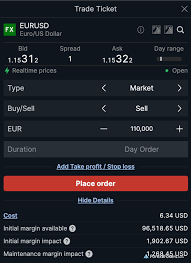
A register is only useful if approached strategically. Here’s a step-by-step guide:
Step 1: Verify Regulatory Status
Always cross-check the broker’s claimed license with the relevant authority. Fraudulent claims are common.
Step 2: Compare Trading Conditions
Look at spreads, commissions, leverage, and margin requirements. Select a broker that aligns with your trading style.
Step 3: Evaluate Platform Options
Test demo accounts on each broker’s platform. Ensure it meets your technical and analytical needs.
Step 4: Research Reputation
Check reviews, forums, and complaint records. Avoid brokers with unresolved issues or negative patterns.
Step 5: Start Small
Begin with a small deposit to test execution, withdrawals, and customer service responsiveness.
Common Pitfalls in Choosing Brokers
Focusing Only on Low Spreads – Low spreads are attractive, but execution quality and reliability matter more.
Ignoring Regulatory Status – Trading with unregulated brokers can lead to loss of funds.
Overlooking Fees – Hidden commissions, withdrawal charges, or inactivity fees can erode profits.
Neglecting Platform Usability – A poor interface can lead to errors and slow responses.
Falling for Promotions – Bonuses and incentives may come with restrictive terms.
A careful review mitigates these risks.
Advanced Considerations
For serious traders and institutional clients, additional factors matter:
- Liquidity Providers
Brokers sourcing liquidity from top-tier banks ensure tighter spreads and smoother execution.
- Slippage and Requotes
Look for brokers with minimal slippage and limited requotes, especially in volatile markets.
- Hedging and Scalping Policies
Some brokers restrict certain trading strategies. Confirm rules before opening an account.
- Automated Trading Support
If using Expert Advisors (EAs) or algorithmic strategies, ensure the broker supports MT4/5 automation reliably.
- Withdrawal Speed
Fast withdrawals and multiple methods (bank transfer, e-wallets) are critical for liquidity management.
Maintaining an Updated Broker Register
The Forex landscape changes rapidly. Brokers merge, regulators enforce new rules, or platforms update terms. Maintaining an updated broker register involves:
Regularly verifying licenses and regulatory compliance.
Monitoring customer complaints and reviews.
Tracking changes in spreads, commissions, and platforms.
Noting additions of new trading instruments or account types.
An up-to-date register is an invaluable resource for active traders and analysts alike.
Case Study: Using a Broker Register Strategically
Consider a trader named Michael, seeking a broker with low spreads, ECN execution, and robust regulatory protection. Using a broker register, he:
Shortlisted brokers licensed under FCA, ASIC, and CySEC.
Compared spreads and fees across platforms.
Tested demo accounts for execution speed and platform reliability.
Checked reputation and customer reviews.
Opened a small live account to test withdrawal processes.
By systematically using the register, Michael minimized risk and identified a broker aligned with his trading needs.
Benefits of a Comprehensive Broker Register
Transparency – All broker information is consolidated and verified.
Efficiency – Quickly compare multiple brokers.
Safety – Focus on regulated, trustworthy brokers.
Informed Decision-Making – Access to fees, platforms, and reputation data helps choose wisely.
Risk Mitigation – Avoid scams, fraudulent brokers, and hidden costs.
The Future of Forex Broker Registers
With technological advancements:
Digital Platforms will provide real-time updates, regulatory changes, and broker performance metrics.
AI and Analytics may offer predictive insights on broker reliability, execution quality, and client satisfaction.
Globalization will expand coverage to emerging markets while maintaining regulatory oversight.
A modern broker register is more than a list—it’s a dynamic decision-making tool for traders.
Conclusion: Your Roadmap to Safe Forex Trading
A Forex broker register is essential for navigating the complex global currency markets safely and efficiently. By understanding types of brokers, regulatory frameworks, trading conditions, and platform features, traders can make informed decisions.
Key takeaways:
Always prioritize regulated brokers with clear licensing.
Compare spreads, commissions, and trading conditions carefully.
Test platforms through demo accounts before committing capital.
Monitor reputation, reviews, and customer support responsiveness.
Use advanced insights for strategy alignment and risk mitigation.
In the fast-paced world of Forex, a comprehensive broker register is your map, compass, and guide—ensuring that your trading journey is safe, strategic, and profitable.
Summary:
A comprehensive forex broker list includes investment banks with dealing rooms, commercial banks with treasury operations, and online brokerages that serve a larger market. The investment banks with forex trading capabilities include Morgan Stanley, Merrill Lynch, Goldman Sachs, Salomon Smith Barney, Lehman Brothers, Credit Suisse First Boston, Deutsche Bank, JP Morgan, Prudential Securities and Bear Sterns.
Keywords:
Forex Brokers, Forex Trading, Forex Market Makers, Online Forex Brokers
Article Body:
A comprehensive forex broker list includes investment banks with dealing rooms, commercial banks with treasury operations, and online brokerages that serve a larger market. The investment banks with forex trading capabilities include Morgan Stanley, Merrill Lynch, Goldman Sachs, Salomon Smith Barney, Lehman Brothers, Credit Suisse First Boston, Deutsche Bank, JP Morgan, Prudential Securities and Bear Sterns.
Some of the brokerage services are not directly accessible for all customers. For example, inter-bank market dealers and treasury operations in commercial banks handle large customer orders themselves.
The top commercial banks in the Forex Broker List, having inter-bank and treasury operations, are JP Morgan Chase Bank, Bank of America, CitiBank, Wachovia Bank, Wells Fargo Bank, Fleet Bank, US Bank, HSBC Bank, Sun Trust Bank, Bank of New York, State Street, Chase Manhattan Bank, Key Bank, Branch Bank, PNC Bank, Lasalle Bank, South Trust Bank, MBNA America Bank, Fifth Third Bank.
The online forex broker list of smaller forex accounts sees new entrants almost on a daily basis.
The online forex broker list includes Forex Capital Markets, MG Financial Group, CMS Forex, Global Forex Trading, GCI Forex Direct, Forex.com, GAIN Capital, Real time Forex SA (Geneva), Global Forex, Commerce Bank and Trust, FX Solutions, Forex MHV, swissDirekt (Swiss), Goetz Financial Forex, NY Broker Borsentermin AG, Act Forex, Online Trader, Shield FX Online Currency Trading, Forex Trade Signals, CMC Group PLC, Foreign Currency Direct Limited (UK), FX Advantage, FXCM, Forex Millenium, ACM REFCO, REFCO Spot, Easy Forex, Online Forex Trading Inc., Lincoln Corporation, Global Trade Waves, Ltd., and CIBC FX Web Dealing.

Tinggalkan Balasan