Foreign currency trading, commonly known as Forex (FX) trading, is the buying and selling of currencies in a decentralized global market. It is the largest financial market in the world, with daily trading volumes exceeding $6 trillion. Unlike stock markets, Forex operates 24 hours a day, five days a week, giving traders unmatched flexibility and opportunities.
Despite its size and accessibility, Forex trading is not without risks. Success requires understanding the market mechanics, trading strategies, risk management techniques, and psychological discipline. This guide provides a comprehensive roadmap for beginners and experienced traders alike, focusing on actionable insights, strategies, and best practices.
Understanding Forex: The Basics
- What is Forex?
Forex trading involves exchanging one currency for another, with the expectation that the price will change in a favorable direction. For example, if you believe the Euro (EUR) will strengthen against the U.S. Dollar (USD), you would buy EUR/USD. If the Euro appreciates, you can sell it at a profit.
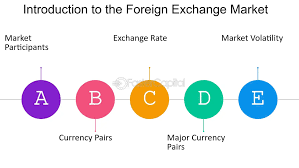
Currencies are traded in pairs, such as EUR/USD, USD/JPY, or GBP/USD. The first currency is called the base currency, and the second is the quote currency. Forex prices reflect how much of the quote currency is required to buy one unit of the base currency.
- Why Trade Forex?
Forex trading offers several advantages:
Liquidity: The Forex market is highly liquid, meaning trades can be executed quickly without affecting price.
Accessibility: Forex is open 24 hours during weekdays, allowing flexibility for global traders.
Leverage: Traders can control large positions with smaller capital.
Diversification: Forex provides opportunities to hedge against risks in other asset classes.
However, high leverage and volatility also increase risk, making education and strategy essential.
The Players in the Forex Market
The Forex market is decentralized, and various participants influence currency prices:
Central Banks
Regulate monetary policy and currency supply.
Intervene in the market to stabilize their national currency.
Commercial Banks
Facilitate currency transactions for clients.
Provide liquidity to the market.
Hedge Funds and Investment Firms
Trade large volumes to profit from currency fluctuations.
Retail Traders
Individual traders accessing the market through brokers.
Corporations
Engage in Forex to hedge international business exposure.
Key Forex Concepts
- Pips
A pip is the smallest price movement in a currency pair, usually 0.0001 for most pairs. Understanding pips is critical for calculating profit, loss, and risk.
- Spread
The spread is the difference between the bid (buy) and ask (sell) price. Brokers profit from the spread. Narrow spreads are favorable for traders.
- Leverage and Margin
Leverage allows traders to control large positions with limited capital. For example, 50:1 leverage means $1,000 can control $50,000 in currency.
Margin is the capital required to open a leveraged position. High leverage increases potential gains but also magnifies losses.
- Long vs. Short Positions
Long: Buying a currency pair, expecting the base currency to strengthen.
Short: Selling a currency pair, expecting the base currency to weaken.
Fundamental Analysis
Fundamental analysis evaluates currencies based on economic, political, and social factors:
Interest Rates – Central bank rates influence currency demand. Higher rates attract foreign investment.
Inflation – Rising inflation can weaken a currency if not accompanied by higher interest rates.
Economic Indicators – GDP growth, unemployment, and trade balance affect currency strength.
Political Stability – Political turmoil can lead to currency depreciation.
Global Events – Natural disasters, geopolitical conflicts, and pandemics impact currency markets.
Technical Analysis
Technical analysis focuses on price movements and patterns:
Charts: Line, bar, and candlestick charts visualize market behavior.
Indicators: Tools like Moving Averages, RSI, and MACD help identify trends and entry/exit points.
Support and Resistance: Price levels where currency tends to reverse or stall.
Trend Analysis: Identifies whether the market is bullish, bearish, or ranging.
A combination of technical and fundamental analysis often yields the best results.
Trading Strategies
- Day Trading
Positions are opened and closed within a single day.
Focuses on short-term price movements.
Requires attention to market news and technical signals.
- Swing Trading
Trades last several days to weeks.
Captures medium-term market trends.
Relies on technical patterns and fundamental catalysts.
- Scalping
Very short-term trades, often minutes or seconds.
Seeks small profits from minor price movements.
Demands fast execution and low spreads.
- Position Trading
Long-term trading based on macroeconomic fundamentals.
Positions may last weeks, months, or even years.
Risk Management
Effective risk management is critical in Forex:
Set Stop-Loss Orders – Automatically closes a trade at a predetermined loss level.
Limit Leverage – Avoid excessive leverage to prevent large losses.
Diversify – Trade multiple currency pairs to spread risk.
Risk-to-Reward Ratio – Only take trades where potential reward justifies potential loss.
Emotional Discipline – Avoid revenge trading or overtrading.
Choosing a Forex Broker
Selecting the right broker is essential:
Regulation – Ensure broker is licensed by FCA, ASIC, CySEC, or NFA.
Fees and Spreads – Transparent and competitive pricing.
Trading Platforms – MT4/MT5, cTrader, or proprietary platforms with analysis tools.
Leverage – Suitable for your risk tolerance and trading style.
Withdrawal and Deposit Options – Fast, secure, and flexible.
Customer Support – Responsive and professional support is crucial.
Understanding Trading Accounts
Most brokers offer multiple account types:
Standard Accounts – Suitable for most traders, moderate minimum deposits.
Mini or Micro Accounts – Smaller lot sizes for beginners.
VIP Accounts – Lower spreads and additional features for experienced traders.
Demo Accounts – Practice accounts using virtual funds to test strategies without risk.
The Psychology of Forex Trading
Trading success depends as much on psychology as on analysis:
Discipline – Stick to strategies and risk limits.
Patience – Avoid chasing trades or reacting impulsively.
Confidence – Trust your research, not rumors or emotions.
Adaptability – Markets evolve; strategies must adapt.
Common Mistakes to Avoid
Overleveraging – Leads to disproportionate losses.
Ignoring Risk Management – Every trade carries risk; failure to protect capital is costly.
Trading Without a Plan – Success requires defined entry, exit, and risk rules.
Chasing Losses – Emotional decisions amplify losses.
Neglecting Education – Continuous learning is vital in a dynamic market.
Advanced Trading Techniques
Carry Trade – Borrowing a low-interest currency to invest in a high-interest currency.
Hedging – Opening positions to offset potential losses.
Automated Trading – Using EAs or trading bots for algorithmic strategies.
Correlation Trading – Trading pairs with positive or negative correlations strategically.
Tools and Resources
Economic Calendars – Track major market-moving events.
Trading Journals – Record and analyze trades for improvement.
Market News Feeds – Stay informed about political and economic developments.
Forex Forums and Communities – Learn from experienced traders and insights.
Regulation and Safety
Trade only with regulated brokers to protect funds.
Ensure client money is segregated from company funds.
Understand compensation schemes in case of broker insolvency.
Regulation reduces risk of fraud and provides legal recourse for disputes.
The Path to Long-Term Success
Forex trading is not a get-rich-quick scheme. Long-term success requires:
Education – Learn analysis, platforms, and risk management.
Practice – Start with demo accounts to refine strategies.
Discipline – Stick to trading plans and avoid emotional decisions.
Adaptation – Evolve strategies as markets change.
Continuous Review – Analyze trades to identify strengths and weaknesses.
Conclusion
Foreign currency trading offers unmatched opportunities for profit, diversification, and global financial engagement. However, it also carries risk, requiring knowledge, discipline, and strategy. By understanding Forex basics, selecting the right broker, implementing effective strategies, and maintaining emotional and financial discipline, traders can navigate this complex market successfully.
This guide serves as a roadmap to build knowledge, confidence, and sustainable trading practices. Remember: the Forex market rewards preparation, patience, and strategic decision-making. With education and discipline, you can transform trading into a profitable and professional endeavor.
Summary:
While foreign currency trading offers its rewards, especially when you are able to trade in major currencies like the US dollars and Euro, caution against advertisements and brokers that offer instant riches must be observed.
Keywords:
Currency Trading, Forex Currency Trading, Online Currency Trading, Foreign Currency Trading
Article Body:
While foreign currency trading offers its rewards, especially when you are able to trade in major currencies like the US dollars and Euro, caution against advertisements and brokers that offer instant riches must be observed.
There is move to regulate foreign currency traders. Unfortunately, not all in the industry are registered. Not entirely illegal, many unregistered brokers populate the financial markets. Extra precaution is suggested for individuals and companies when they deal with forex brokers.
The United States has passed a federal law, the Commodity Futures Modernization Act of 2000 that gives authority to the commission to investigate suspicions of frauds in the transactions.
Frauds in Forex trading have telltale signs and you must be aware of these. Be wary of schemes that offer quick riches. An experienced Forex brokers will tell you currency trading is not a risk free business and only those with real analytical methods can succeed in the field. And, even when projections seem sound, there is no way of telling exactly how strong a currency will hold out against many factors. So watch out for those who promise large profits no matter the economic condition is.
Most brokers ask for margin investments. If you are not fully aware of how this works, do not venture into it. You may be losing s more than you earn in the long run. Beware also of the �interbank market� service that brokers may offer. In reality, only large banks, corporations and investment institutions have access to this loose network of currency traders.
To be sure about the credibility of the brokers you are getting, study their profiles and company background seriously and extensively. Stick with a shortlist of firms that are registered with the regulatory commission on commodity futures.

Tinggalkan Balasan